
A useful replica-watch guide should help readers understand a watch, not push them towards a seller. The original version of this page was written like a shop handbook, repeated prestige language and implied that buying a replica could reproduce the experience of owning a genuine Rolex. That is not a sound basis for editorial content. This revision turns the page into a quality-assessment guide for UK readers.
Start by identifying the exact genuine reference
“Rolex Daytona” or “Patek Aquanaut” is not specific enough. Different generations can use different case dimensions, bezels, dials and movements. Before comparing a replica, identify the reference number or at least the generation it claims to follow. Otherwise a feature from one genuine model can be incorrectly treated as a flaw on another.
Official manufacturer pages, archived catalogues and reputable watch publications are more reliable reference points than seller specification tables. Pondwatch increasingly uses those sources when a technical detail matters.
Separate visible quality from material claims
Case proportion, dial printing, hand length, bezel alignment and bracelet fit can be studied directly. Claims such as “904L steel”, “real ceramic composition”, “Swiss movement” or a specific plating thickness usually require testing that a normal listing does not provide. If there is no evidence, the honest description is “claimed” rather than “confirmed”.
The same applies to waterproofing. A printed 100 m rating does not tell you whether a particular replica has been assembled, lubricated and sealed well enough to pass a pressure test. Treat water resistance as unknown until the individual watch is tested.
Movement numbers are not quality certificates
Replica movements are often named after genuine calibres: 3135, 3235, 4130, 4131, 3285 and others. Some are designed to copy crown functions or bridge layouts; some mainly imitate appearance. Two movements with similar names can differ materially in construction or parts support.
For practical ownership, ask four questions: does it wind and set cleanly, does it keep stable time, can a watchmaker service it, and can replacement parts be sourced? A movement that scores well on those points may be a better choice than a more ambitious clone that is difficult to repair.
Dial and case geometry usually reveal more than logos
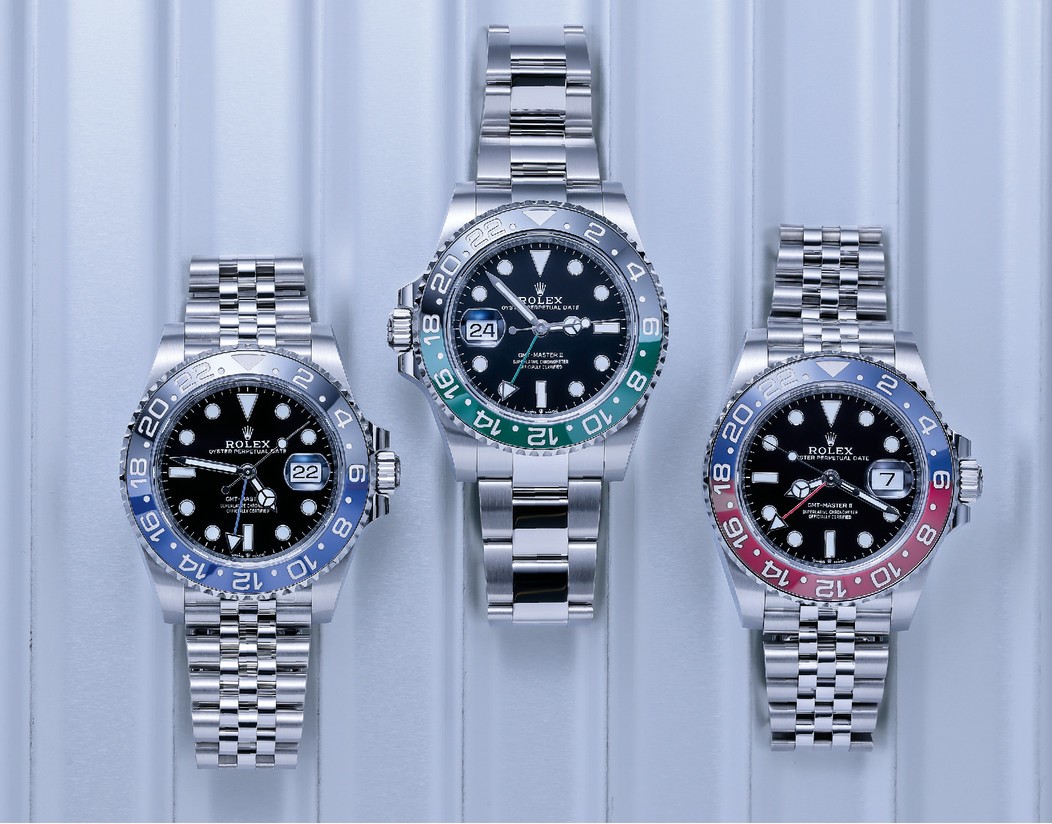
Counterfeit branding is easy to print; correct geometry is harder. On a Datejust, inspect the Cyclops, date position, bezel width and lug shape. On a GMT or Explorer II, check bezel alignment and 24-hour hand length. On a Daytona, look closely at subdial spacing and pusher position. On an Aquanaut, case thickness and strap integration matter.
These model-specific cues give readers something concrete to compare and reduce reliance on broad labels such as “AAA”, “super clone” or “1:1”, none of which are independent standards.
UK ownership adds practical considerations
Service access matters because many mainstream watchmakers will not accept counterfeit-branded watches. Buyers should understand that before assuming a complex replica chronograph or clone movement will be easy to maintain. Import rules, consumer protections and seller policies can also differ depending on where a transaction occurs. Pondwatch does not provide seller recommendations or legal assurances.
Use a repeatable checklist
For every replica watch, record the claimed reference, measured or documented dimensions, dial observations, movement behaviour, bracelet or strap quality, any tested water resistance and any known servicing history. Photographs in neutral light are valuable. So are notes taken after several weeks rather than after five minutes.
This approach is slower than declaring a watch “the best”, but it creates information that can be compared across time. Readers can then move into Pondwatch’s model categories, including Rolex and Patek Philippe, with a clearer idea of what the reviews are actually measuring.