
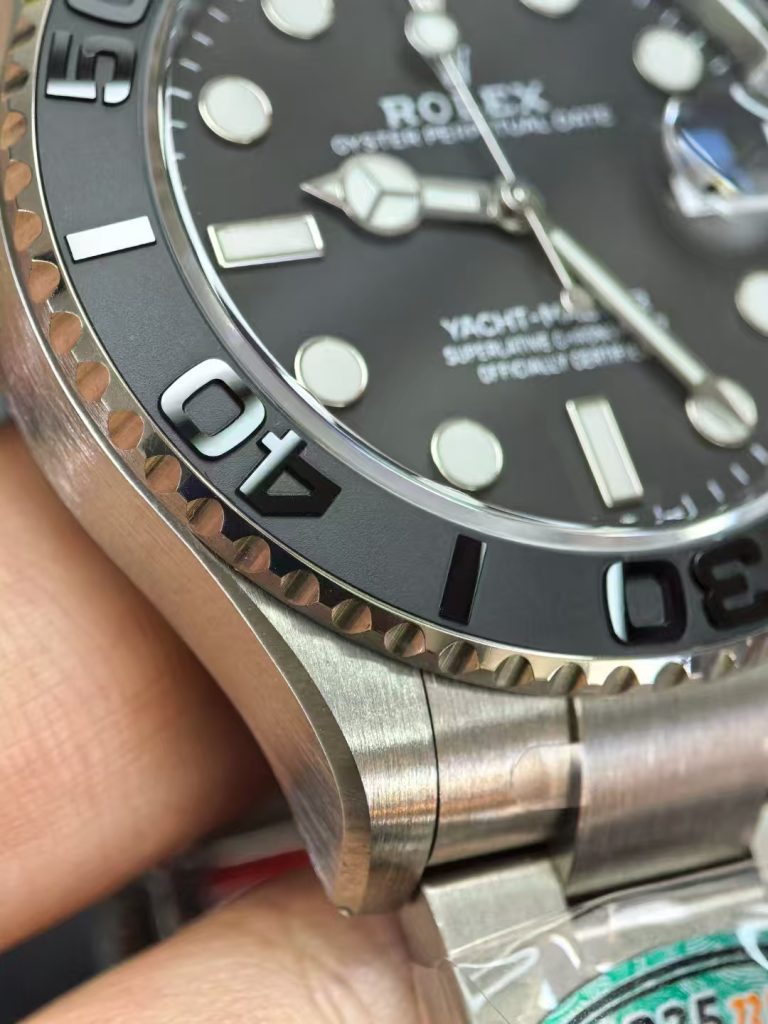
A watch that looks convincing in a photograph can feel very different after weeks of normal wear. Long-term ownership exposes details that a first-impression review rarely captures: how the bracelet articulates, whether the clasp develops play, how the crown feels after repeated setting and whether timekeeping remains stable. The original version of this article was too short to develop that idea. This update turns it into a practical observation framework.
Comfort changes once the novelty wears off
Case diameter is only one part of comfort. Lug length, case-back shape, bracelet taper and total weight determine how the watch sits during a full day. A replica can match a published diameter yet still feel wrong because the case is thicker or the bracelet balances differently from the reference it copies.
Pay attention to pressure points at the clasp and end links. Sharp bracelet edges that are easy to ignore during a quick inspection become more noticeable after hours at a desk or while walking. On Oysterflex-style or composite straps, curvature and sizing affect whether the watch remains centred on the wrist.
The bracelet reveals assembly quality over time
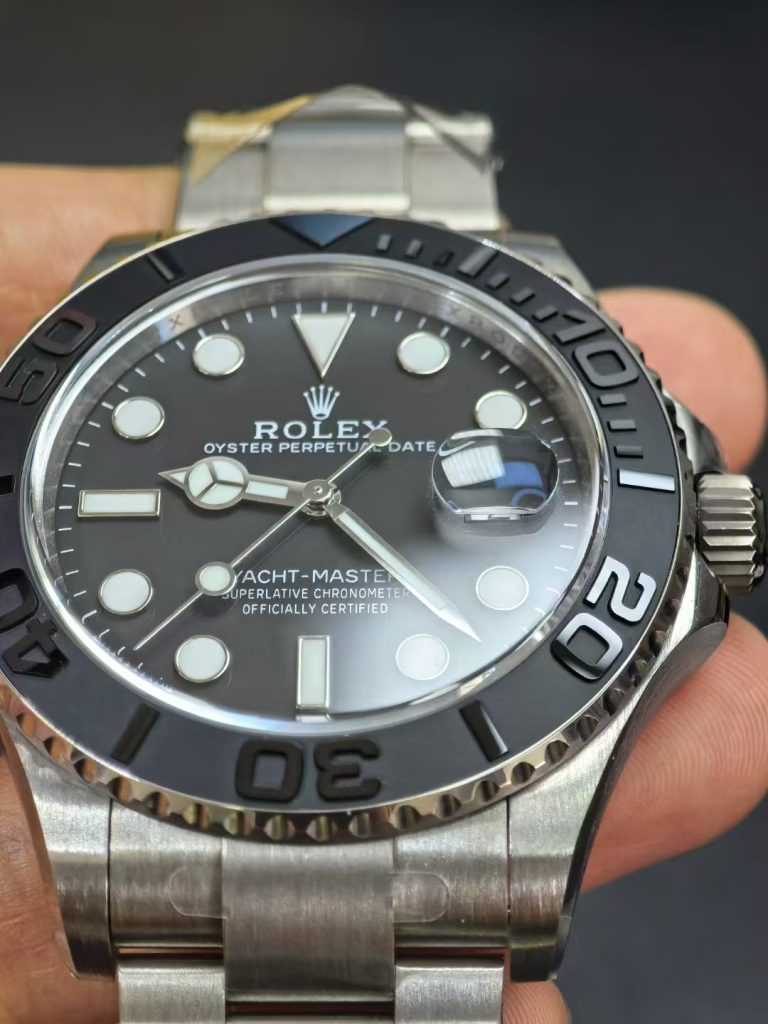
Fresh bracelets can feel tight because of protective film and unused joints. After repeated wear, the more useful question is whether they loosen evenly. Excessive lateral play, noisy links or screws that work loose can indicate poor assembly. A well-made bracelet should articulate smoothly without feeling fragile.
Clasp behaviour matters too. It should close positively and remain secure without requiring excessive force. Decorative engraving is secondary to the mechanical fit of the clasp and adjustment system.
Movement behaviour needs a record, not a single number
One accuracy reading on the first day says little about long-term stability. If an owner wants to evaluate a replica movement, record the watch at similar intervals over several weeks and note whether it gains or loses consistently. Large changes can point to regulation, magnetism, impact or mechanical issues.
Power reserve should also be measured if it is going to be quoted. Factory descriptions such as “70 hours” or “72 hours” are not evidence for an individual watch. Wind it consistently, record when it stops, and repeat the test before drawing a conclusion.
Crown, date and chronograph functions show wear quickly
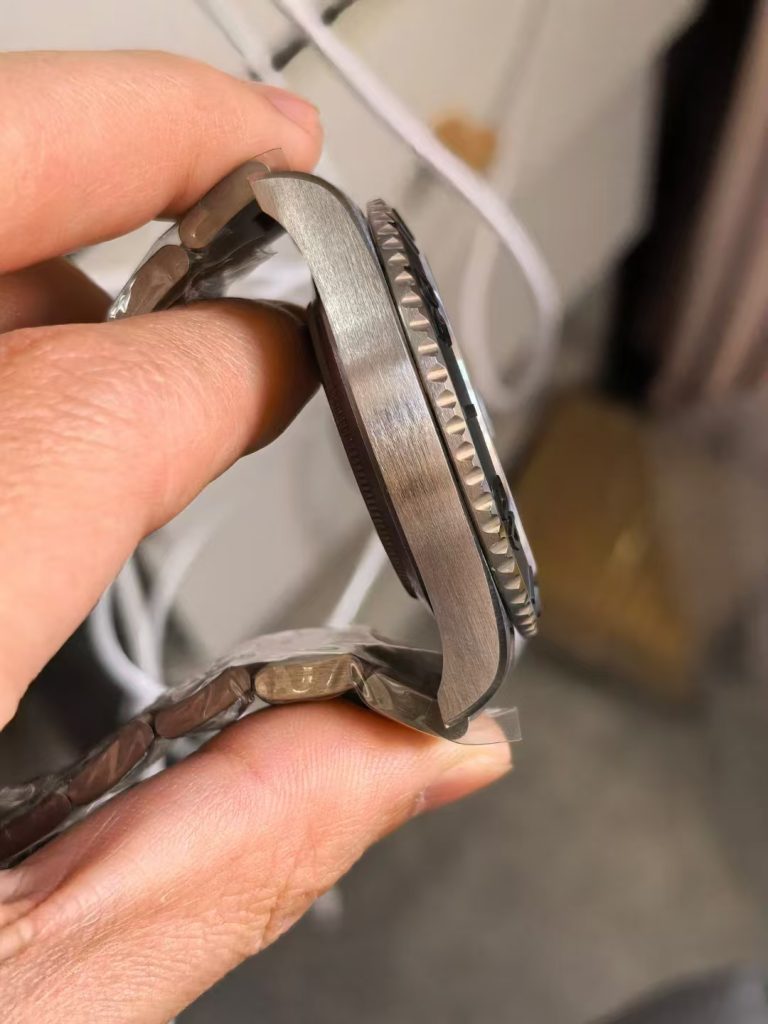
Repeated interaction with the crown can reveal gritty threads, uneven winding or setting positions that are difficult to engage. Watches with a date should change cleanly and predictably. Chronographs should start, stop and reset without the hands drifting away from zero.
These functional checks are particularly important because many replica movements are marketed under genuine calibre numbers. Long-term behaviour gives a more useful picture of quality than the movement label alone.
Serviceability becomes more important with age
A replica with a complex clone movement may be impressive when new but frustrating if no local watchmaker will service it or if replacement parts are unavailable. Owners should learn what movement is actually inside the watch and keep any spare links, straps or parts that came with it.
Long-term confidence should therefore mean predictable ownership, not a claim that a replica is equivalent to a genuine Rolex. Pondwatch’s Rolex coverage uses this distinction when discussing newer models: visual accuracy, mechanical behaviour and ownership practicality are related, but they are not the same thing.
 admin